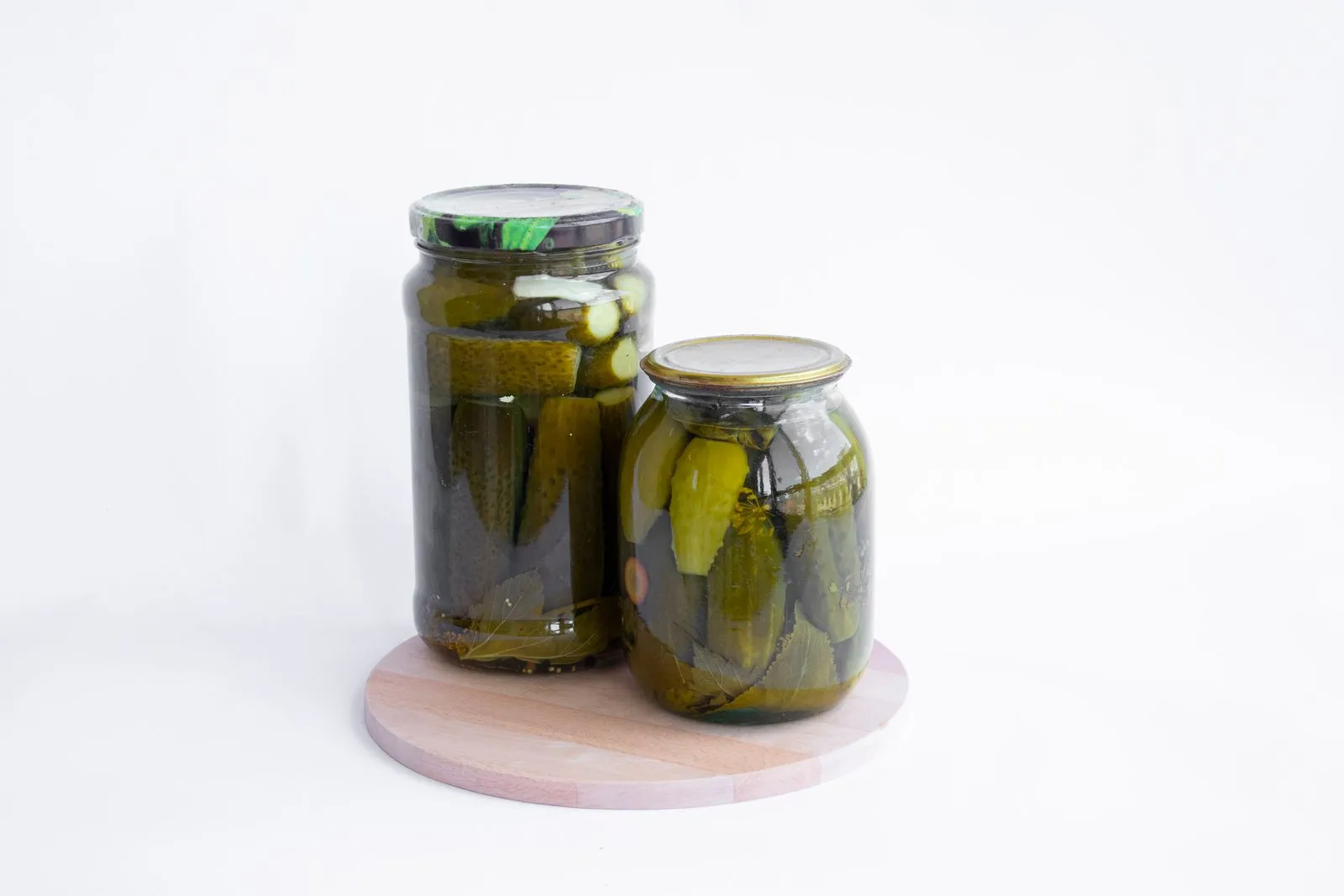
The right canning method depends on the food and the recipe, not on which canner you already own. Water-bath canning is for sufficiently acidic foods. Pressure canning is needed for low-acid foods because it reaches temperatures that boiling water cannot. A tested recipe accounts for ingredients, jar size, preparation, and processing time. Use those directions to choose your equipment and process safely; changing the method or recipe can leave food underprocessed.
Start With Food Acidity
Acidity affects which microorganisms can grow in a canned food. High-acid foods, including many fruits, properly acidified tomatoes, pickles, and fruit spreads, can be processed in a boiling-water canner when a tested recipe directs it. The food’s name alone does not settle the question: varieties and recipes differ, and tomatoes may need added acid.
Low-acid foods include most vegetables, meats, poultry, seafood, and soups. A boiling-water canner does not get hot enough to safely process these foods. Use a pressure canner with a tested recipe designed for pressure canning. Do not use a pressure cooker, multicooker, or electric pressure cooker as a substitute unless current, trusted guidance specifically approves that equipment and recipe.
Let the Tested Recipe Decide
Choose a recipe from a reliable source that provides tested canning instructions, such as a university extension service or a recognized food-preservation authority. Follow its specified canner type, jar size, preparation steps, headspace, processing time, and pressure. These details work together; a recipe is not safely transferable just because the ingredients seem similar.
Do not switch from pressure canning to water-bath canning, shorten processing time, or alter ingredient proportions based on taste. Thickening agents, extra vegetables, or changes in acidity can affect how heat moves through a jar. If you cannot find a tested recipe for the food and method you want, choose a different recipe rather than improvising.
Use the Right Equipment
A water-bath canner holds jars beneath boiling water. A deep covered pot with a rack may work for recipes that call for water-bath processing if it can hold jars upright with water covering them as directed. Follow the recipe for altitude adjustments, too; processing time or pressure may need to change based on your location.
A pressure canner is built to process jars under pressure and must be used according to its manual and the recipe. Check that its parts are in good condition, and have the pressure gauge checked as recommended by the manufacturer or local extension service. Use the pressure type and setting the recipe specifies, and allow the canner to depressurize naturally when instructed.
Check Before You Begin
Before filling jars, confirm that the recipe is tested, the canner matches its instructions, and you have the right jars and lids. Read the full procedure first, including steps for adjusting processing at your altitude. Keep ingredients and jar sizes within the recipe’s directions, and avoid making substitutions that could change acidity or consistency.
When a recipe or piece of equipment leaves you unsure, pause and verify the instructions through a trusted food-preservation resource or the manufacturer. Chicago Canning Supply can help you identify canning equipment, but safe processing still depends on a tested recipe and following its directions precisely.
Use a water-bath canner only for recipes tested for that method, and use a pressure canner for low-acid foods when the recipe requires it. Match the equipment, preparation, jar size, and processing instructions exactly. If you need help choosing canning supplies, contact Chicago Canning Supply.